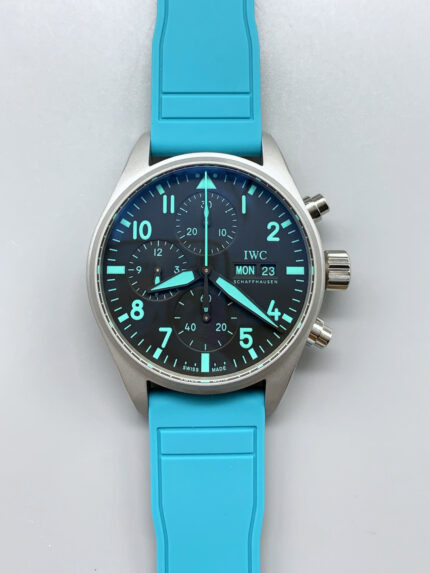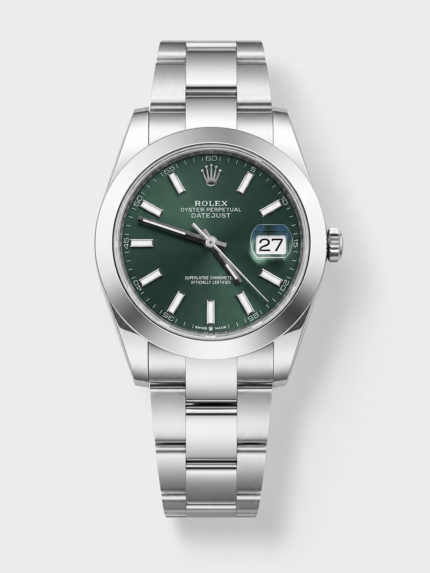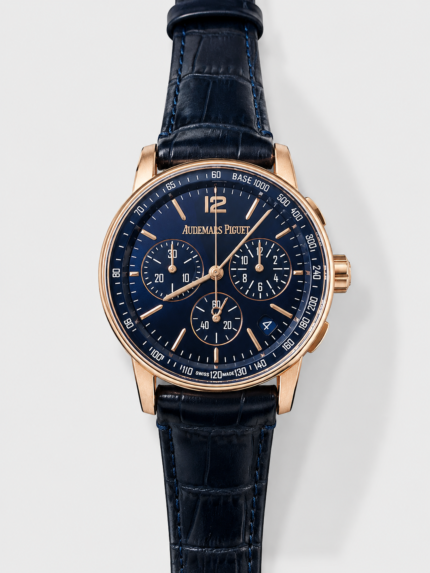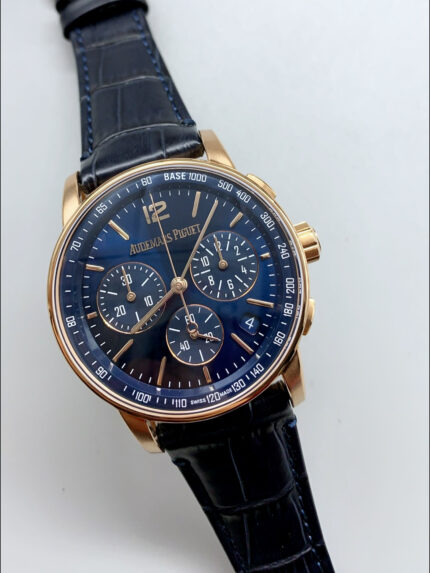












Omega Seamaster Diver 300M America’s Cup Edition – Enthusiast Perspective
Read through to the end — the movement details, finishing notes, market context, and sourcing references are all further down.
The Omega Seamaster Diver 300M America’s Cup Edition sits in a part of the superclone market where build quality variation between production runs is significant — and the difference between a well-sourced piece and a catalogue listing shows most clearly after the first month of regular wear rather than on the day of delivery. This review is based on the specific build characteristics of this reference rather than the factory marketing sheet.
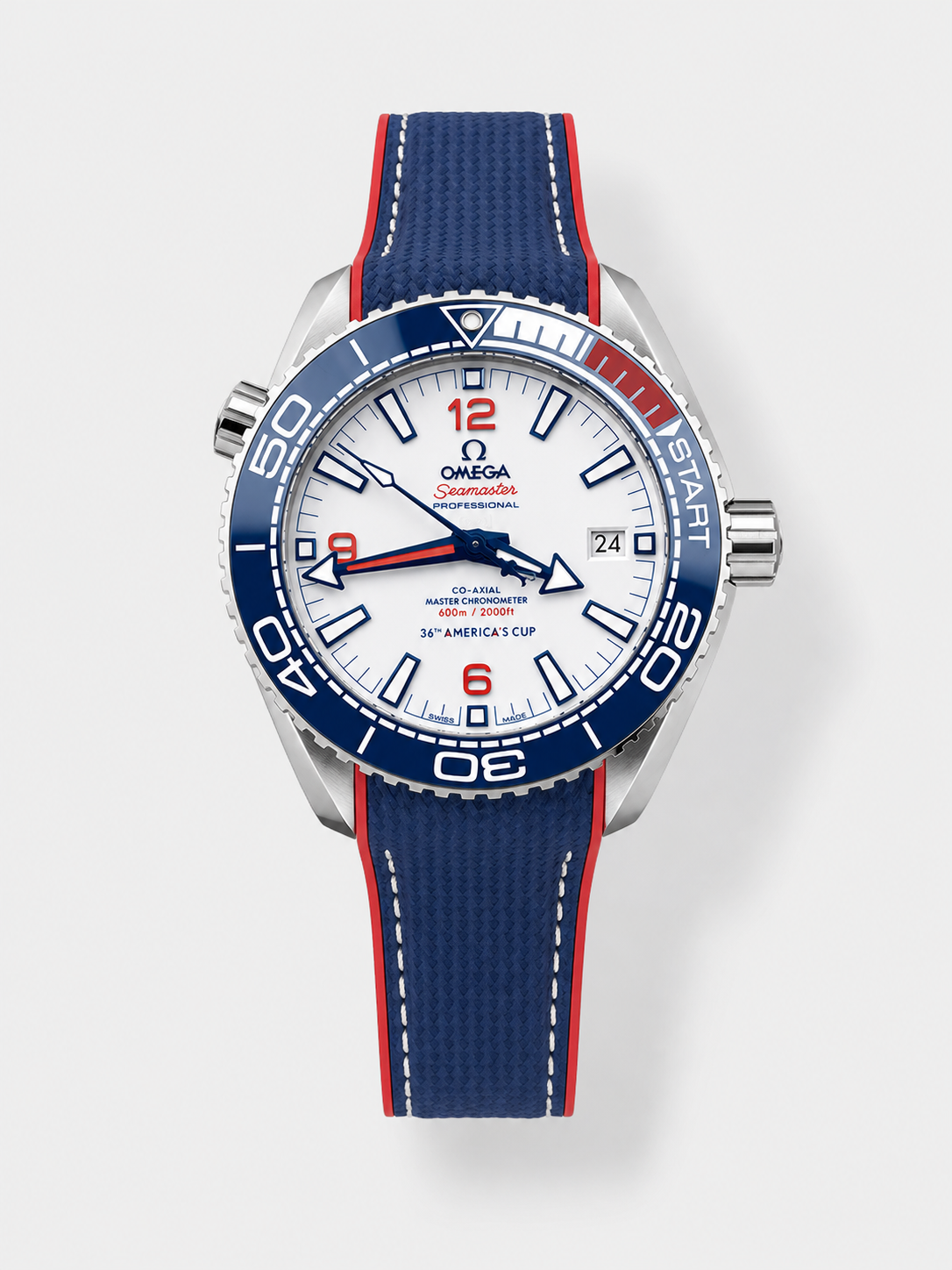
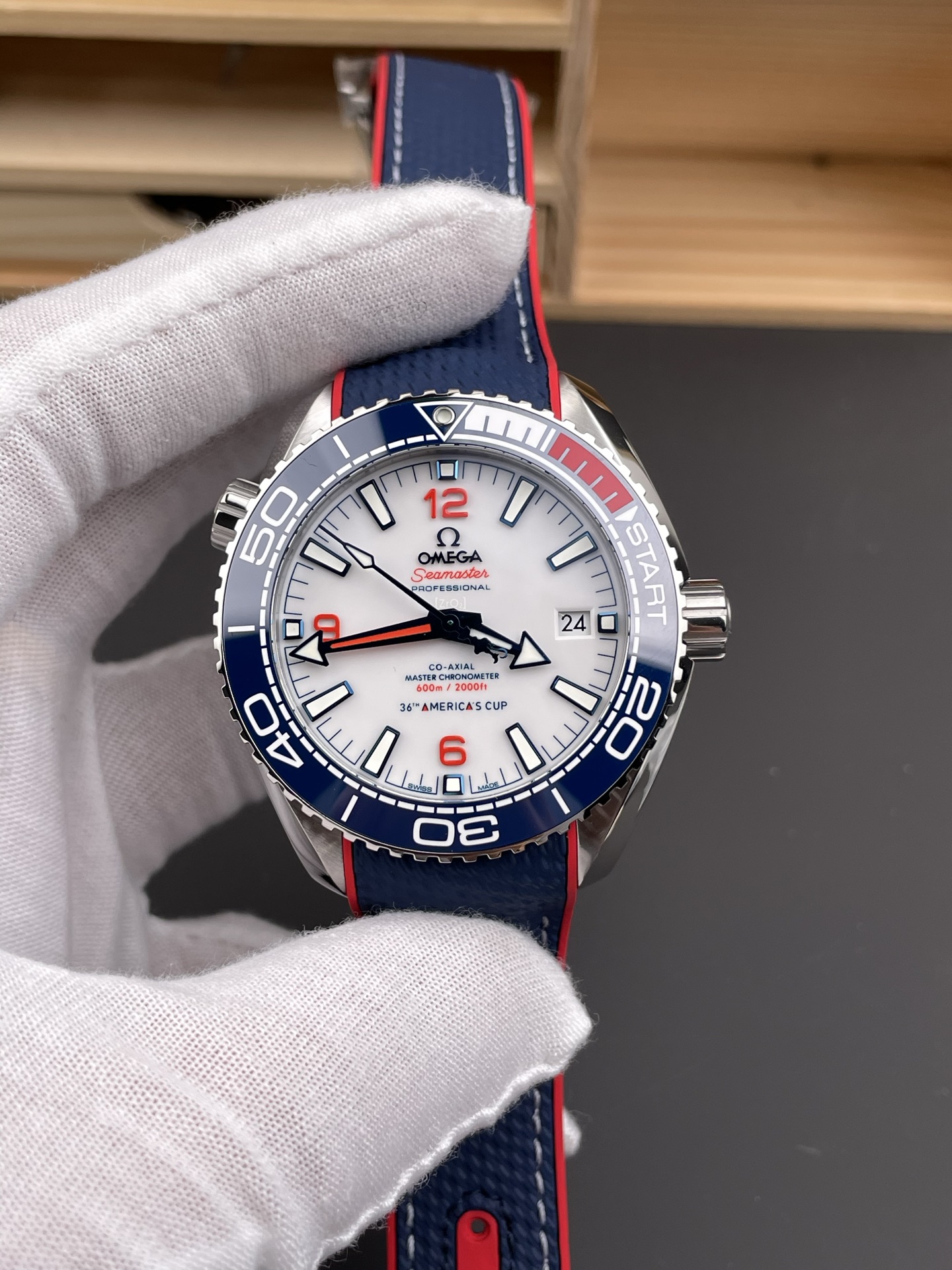
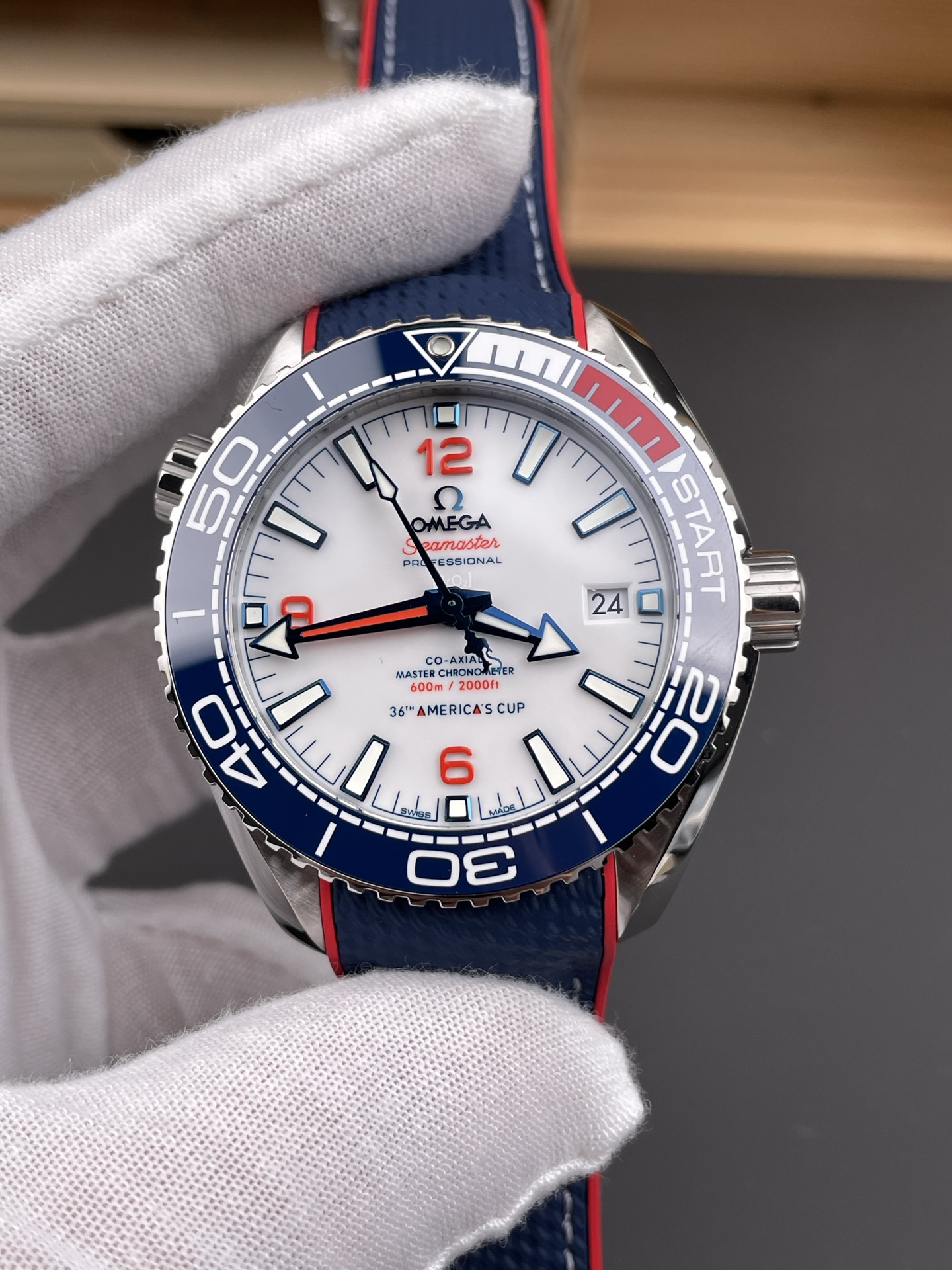
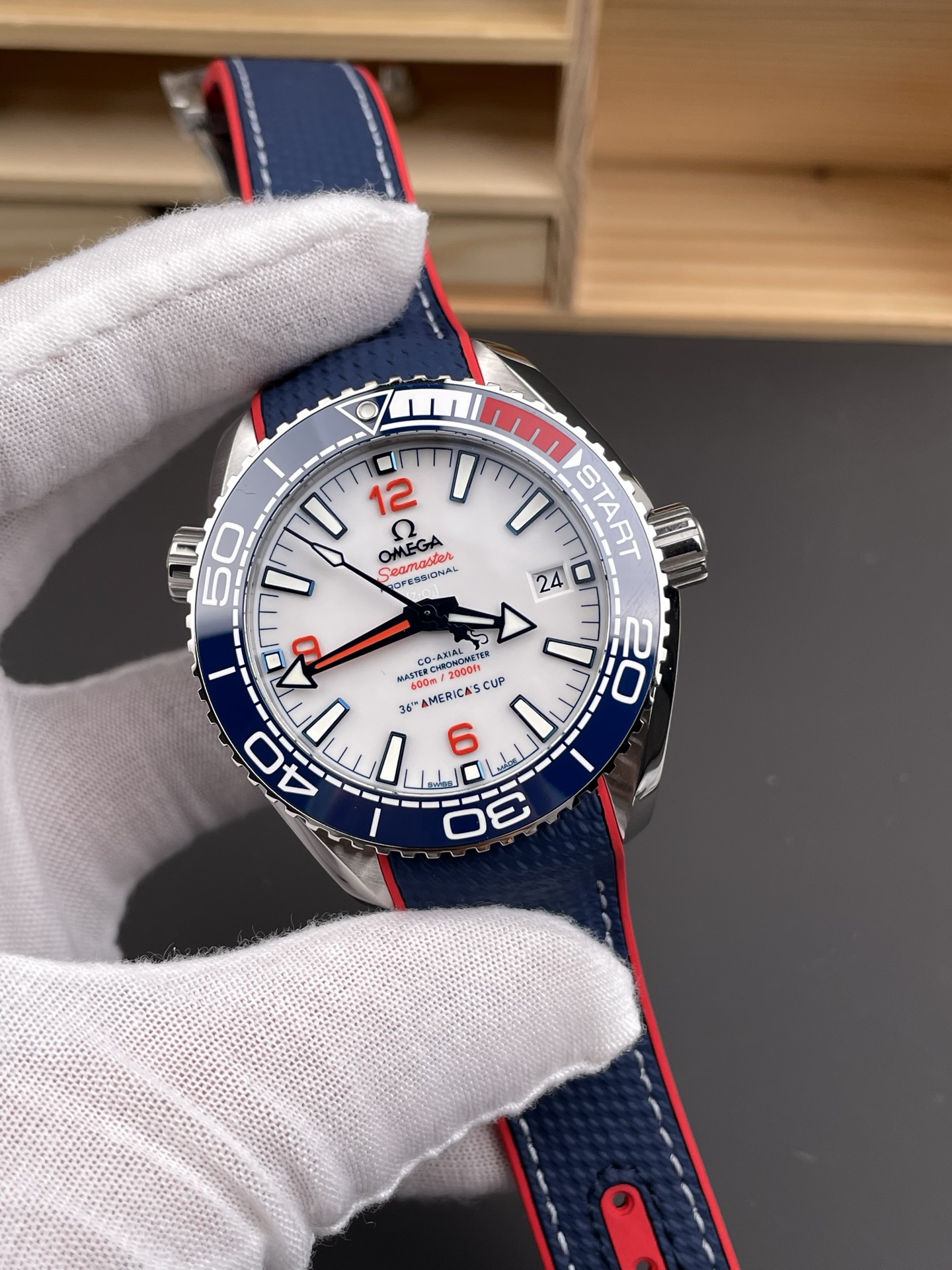
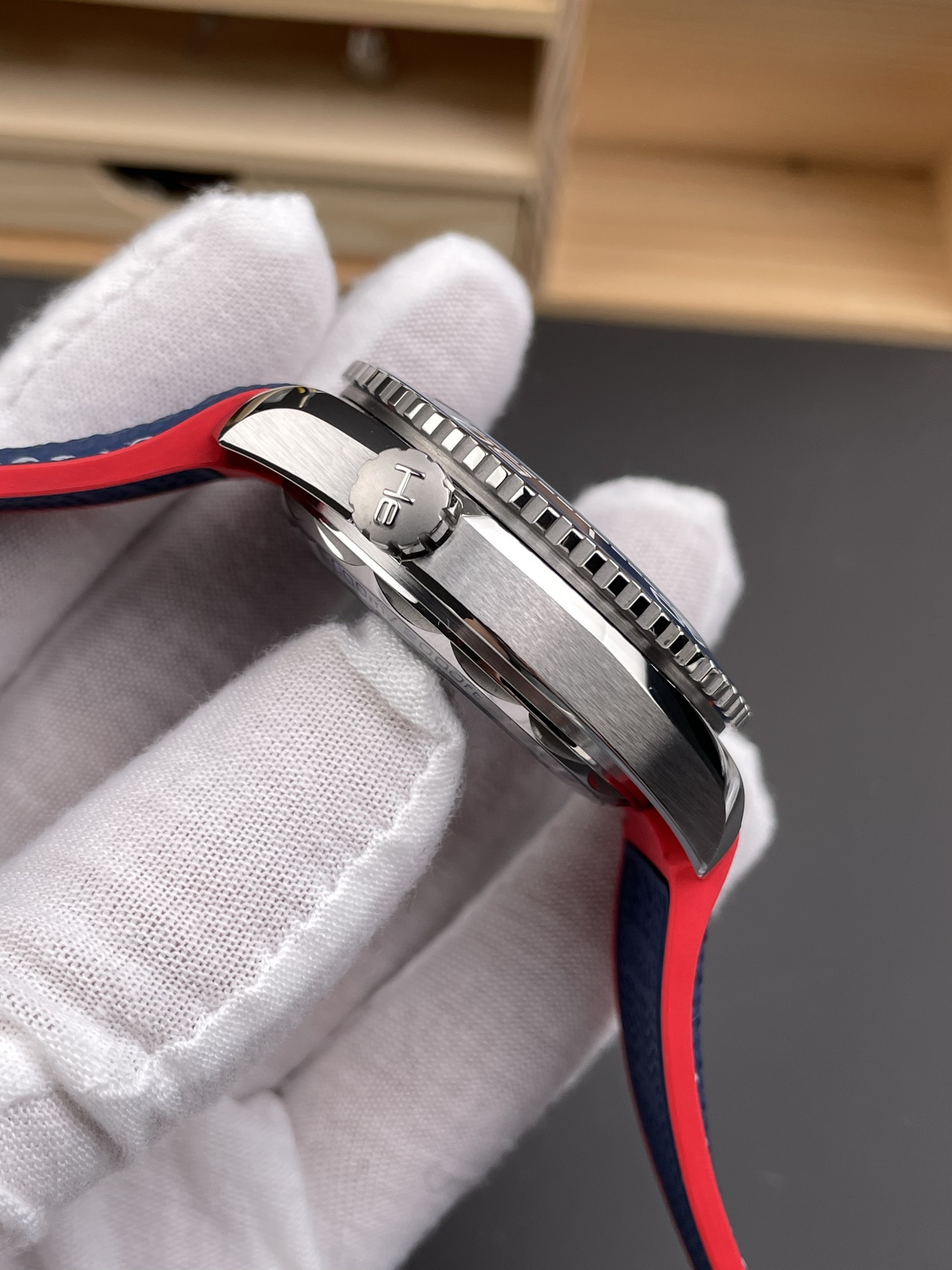
The case is built in stainless steel, following the original reference geometry across lug width, case band, and crown placement without the dimensional shortcuts that lower-tier production accepts.
The Cal. 9900 has been regulated across the standard wearing positions — face up, crown down, and pendant — rather than only in the factory demonstration position. This regulation standard is what determines whether a superclone performs consistently through months of regular wear or only impresses in the first week.
The 60-hour power reserve covers a full working week without wear — genuinely useful for someone who rotates between pieces and does not want to wind or reset on every return to this watch.
At 300m water resistance the case construction — crown seal, case back, and crystal pressure resistance — has been built and tested to a depth rating that covers serious water activity rather than just casual splashing.
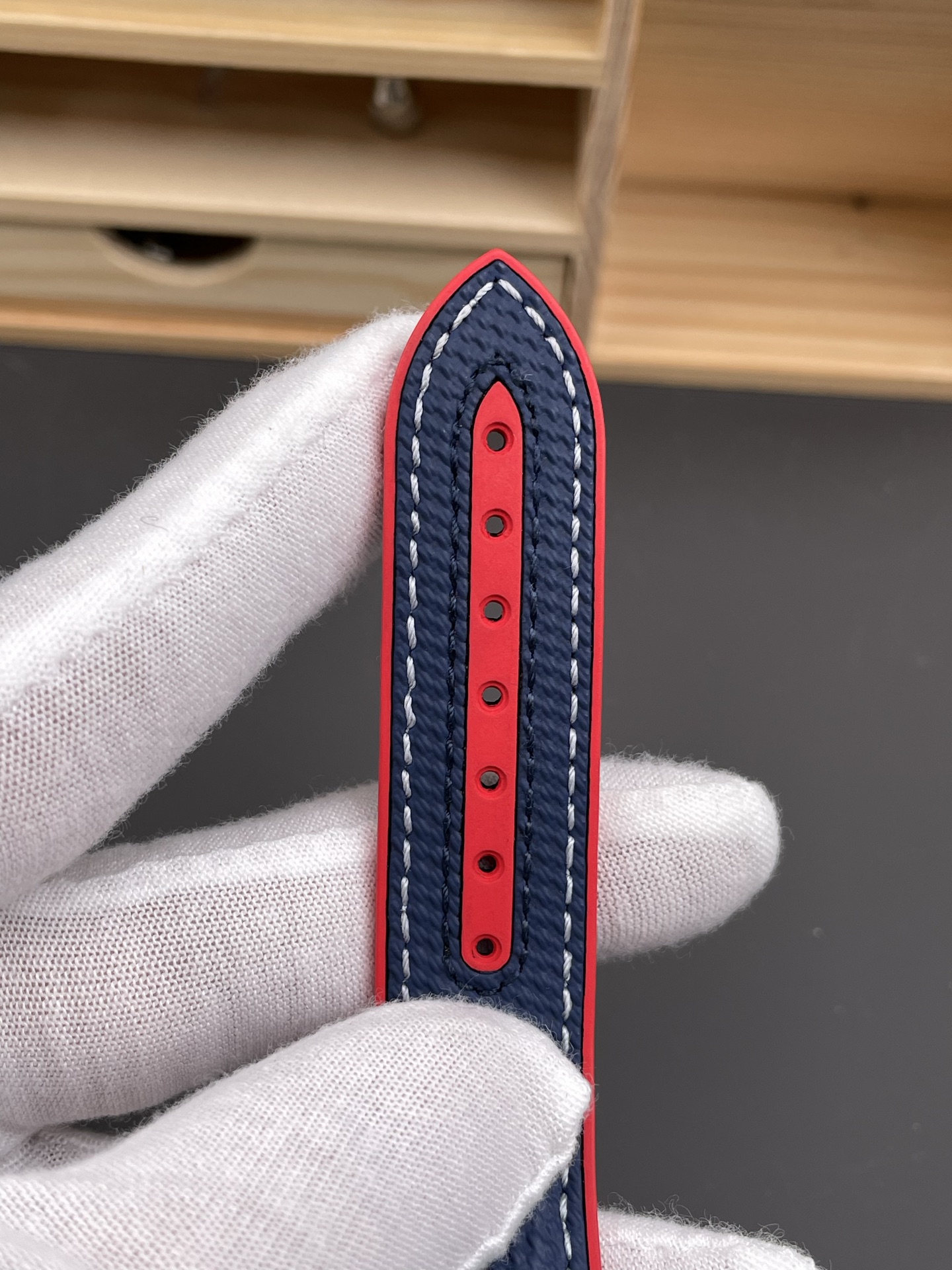
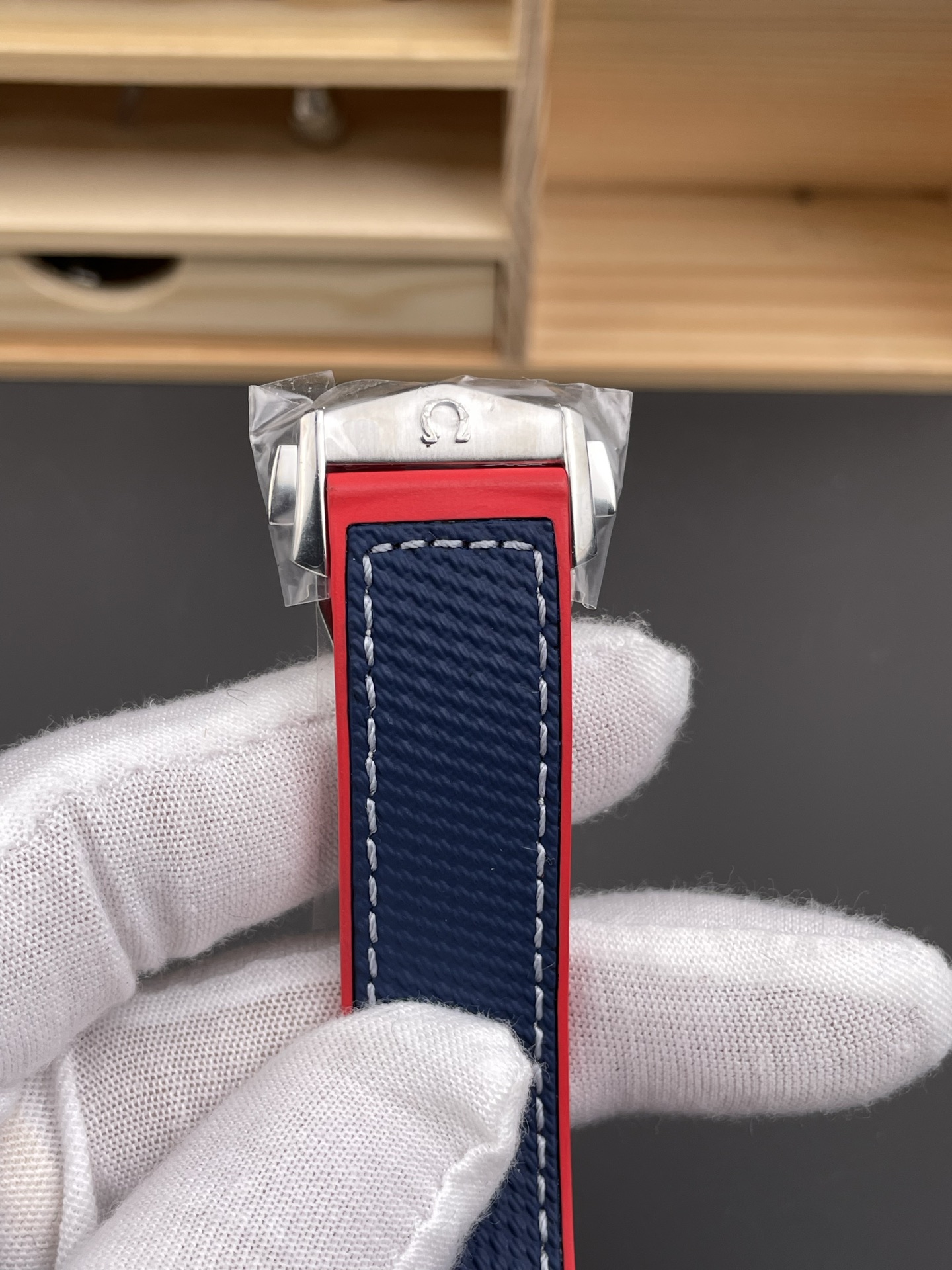
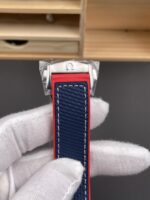
The rubber strap provides the flexibility and water resistance compatibility that suits the active daily wear context this reference is designed for — it does not resist the wrist curve the way stiffer straps do, and the deployant clasp holds reliably through the full range of wrist movement.
Buyers who have considered both the Co-Axial and standard automatic versions of this reference will find the movement regulation standard higher on the Co-Axial build — the escapement architecture genuinely affects long-term rate consistency.